What is a VPN?

What is a VPN?

Known as a 'Virtual Private Network', a VPN provides a secure and encrypted connection between your computer, smartphone or tablet and a remote server located elsewhere on the internet.

When you connect to a VPN, your internet traffic is routed through a single, encrypted connection, known as a 'Tunnel', to the VPN server before reaching its destination on the internet.

A VPN is ideal for business owners and employees to safely access private company files, applications and tools remotely. By 'Routing', the internet traffic through a remote server run by a VPN provider, it masks your actual IP address and location, while keeping any actions, data or browsing history private from hackers, internet providers and spy software.

Step 1

Connection: A VPN app or service is opened and accessed from the user's device, to connect to a VPN server located anywhere in the world.

Techible - Step Arrow Down

Step 2

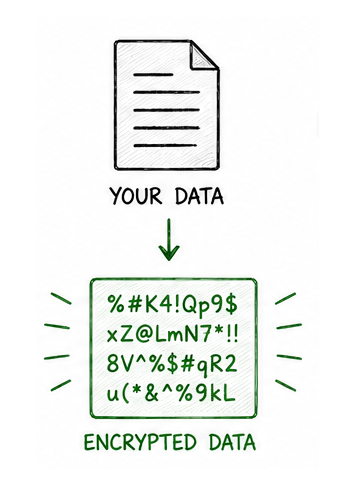
Encryption: The VPN app or service scrambles the data into an unreadable code, before any data leaves the device.

Techible - Step Arrow Down

Step 3

Tunnelling: Data being sent by the original device travels through a secure 'Tunnel', to the VPN server.

Techible - Step Arrow Down

Step 4

Masking: The VPN server forwards the request to the website, hiding the real identity and details of the original device, by instead using the details, long with the IP address, of the VPN server.

Techible - Step Arrow Down
Final Step - What Is A VPN?

VPN Key Benefits

The number of both personal users and businesses using a VPN is continuing to increase, with the benefits going far beyond securing the internet connections and data privacy of its users.

Enhanced Privacy

A VPN helps protect your online privacy by hiding your real IP address and encrypting your internet traffic. This prevents internet service providers, government agencies or malicious actors from monitoring your online activities.

Public Wi-Fi Protection

When connecting to public Wi-Fi networks that are provided in public spaces such as cafes, airports and hotels, your internet connection can be vulnerable to interception by others.

A VPN service encrypts your data, making it much harder for anyone else on the same network, to view what you are doing when you are online.

Bypassing Censorship

VPNs can help users access blocked websites and services in countries that impose strict internet censorship. By connecting to a VPN server, users can access content that might otherwise be restricted or blocked.

Location Spoofing

Location spoofing is the intentional practice of faking the geographical location of a device to mislead applications, networks or receivers into registering false coordinates.

Using a VPN allows you to change your virtual location, for you to gain access to geographically blocked content or streaming services.

Securing VoIP Communications

For businesses, a VPN can be used to create secure connections between remote employees and the company's internal network, ensuring encrypted and protected communication.

It's essential to choose a reputable and trustworthy VPN provider as some free VPN services may log your internet activities, potentially compromising your data security. A good VPN will have a 'No Log', policy, strong encryption protocols, and a wide range of servers across various locations for optimal performance and anonymity.